Vintage shopping can feel overwhelming at first. With so many eras, styles, and quality levels to navigate, where do you even begin? Whether you’re drawn to the bold prints of the 1980s, the minimalist vibes of the 1990s, or the playful energy of the early 2000s, this guide will help you shop vintage with confidence.
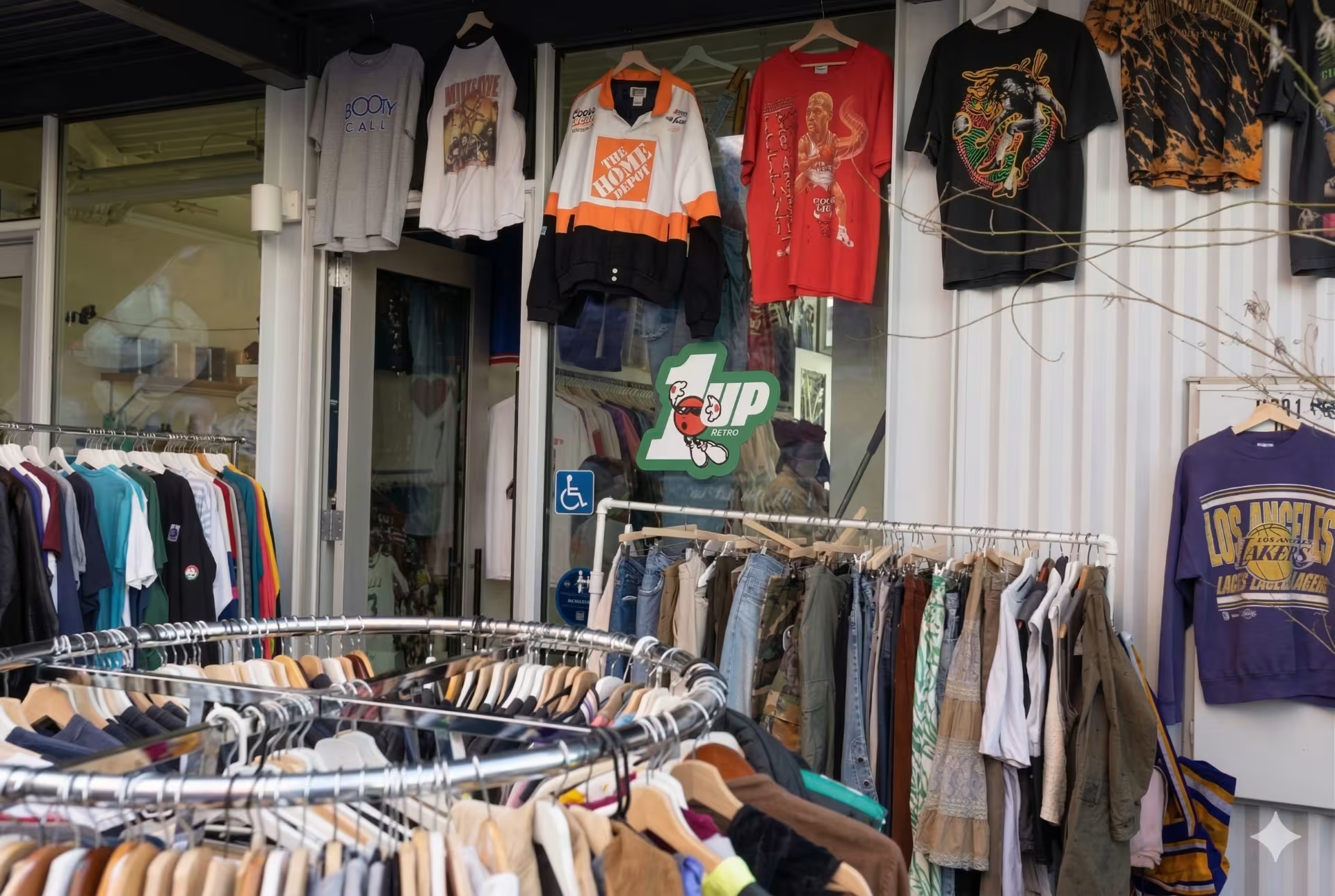
At 1Up Retro Clothing, we’ve spent years curating vintage pieces and helping customers find their perfect match. In this guide, we’re sharing our insider tips to help you become a savvy vintage shopper.
1. Understand the Eras
Vintage fashion is typically divided into decades, each with distinct characteristics. Understanding these eras will help you identify what you love and why.
The 1980s: Bold and Maximalist
The 80s were all about making a statement. Think bright colors, bold patterns, oversized silhouettes, and graphic prints. Neon, metallics, and statement jewelry defined the era. If you love bold self-expression, 80s vintage is for you.
The 1990s: Minimalist and Grunge
The 90s brought a shift toward minimalism and grunge aesthetics. Slip dresses, flannel shirts, simple tees, and neutral tones dominated. This era celebrates understated cool and authenticity—perfect if you prefer a more laid-back vibe.
The Early 2000s: Y2K and Playful
The early 2000s brought playful, fun fashion. Low-rise jeans, baby tees, colorful graphics, and whimsical designs were everywhere. This era is nostalgic, fun, and increasingly popular among younger shoppers.
Pro Tip: Spend time exploring each era to discover which resonates with your personal style. You don’t have to commit to just one!
2. Master Quality Checks
Not all vintage pieces are created equal. Learning to assess quality is essential for making smart purchases that will last.
Inspect the Fabric
- Feel the texture: High-quality vintage pieces use natural fibers like cotton, wool, silk, and linen. These materials feel substantial and age beautifully.
- Check for pilling: Excessive pilling indicates lower quality or heavy wear. Light pilling can often be removed.
- Look for fading: Some fading adds character, but excessive fading may indicate poor quality or improper care.
- Test the stretch: For knits, gently stretch the fabric. Quality pieces bounce back; poor quality stretches out permanently.
Examine the Construction
- Stitching: Look for even, tight stitches. Loose or uneven stitching is a red flag.
- Seams: Quality pieces have reinforced seams that won’t unravel. Check inside seams for strength.
- Hems: Well-finished hems indicate attention to detail and quality craftsmanship.
- Zippers and buttons: These should be secure and functional. Replacement is possible but adds cost.
Check the Brand and Label
Vintage pieces from reputable brands often hold better quality. Familiar names from the 80s, 90s, and 2000s typically indicate solid construction. However, lesser-known brands can also be excellent—don’t dismiss them based on name alone.
Pro Tip: When shopping in-store, don’t hesitate to ask staff about the quality of specific pieces. At 1Up Retro Clothing, our team can walk you through the details of any item.
3. Navigate Sizing and Fit
Vintage sizing is notoriously different from modern sizing. A vintage size 8 might fit like a modern size 4 or 6. This is one of the most important things to understand.
Know the Differences
- 1980s: Typically runs smaller and tighter. Oversized silhouettes were intentional, not accidental.
- 1990s: Runs true to size or slightly smaller. Minimalist cuts mean fit is crucial.
- Early 2000s: Runs small, especially low-rise jeans. Fitted silhouettes were the norm.
Measure Before You Buy
If shopping online, always ask for measurements. Compare these to a favorite piece you already own. Measure:
- • Chest/bust width (armpit to armpit)
- • Waist
- • Length (shoulder to hem)
- • Sleeve length (shoulder seam to wrist)
Try It On In-Store
When shopping in person, always try things on. Fit is personal, and what works for one person might not work for another. Don’t rely solely on the labeled size.
Consider Alterations
A piece that’s 90% perfect but needs minor alterations might still be worth it. Simple alterations like hemming or taking in seams are affordable and can extend the life of your vintage finds.
Pro Tip: Keep a measuring tape with you when vintage shopping. It’s your best friend!
4. Assess Condition and Care
Understanding the condition of a vintage piece helps you make informed decisions and know what you’re getting into.
Condition Levels
- Excellent: Looks like new or barely worn. No visible flaws.
- Very Good: Minor signs of wear. May have small stains or slight fading, but structurally sound.
- Good: Visible wear, but still wearable. May have stains, fading, or minor damage.
- Fair: Significant wear. Suitable for styling with other pieces or for collectors.
Look for Red Flags
- • Large stains or odors that won’t wash out
- • Holes, tears, or rips (unless intentional)
- • Broken zippers or missing buttons
- • Mold or mildew (indicates storage issues)
- • Permanent wrinkles or creases
Learn Basic Care
Vintage pieces often need special care. Learn about:
- • Gentle washing techniques
- • Proper storage (avoid direct sunlight)
- • Stain removal for delicate fabrics
- • When to dry clean vs. hand wash
Pro Tip: Minor stains or wear can often be addressed with proper cleaning. Don’t automatically dismiss pieces with small imperfections.
5. Know Your Personal Style
The best vintage pieces are those that align with your personal style. Take time to understand what you actually love wearing.
Create a Style Reference
- • Save photos of outfits you love (from Instagram, Pinterest, or magazines)
- • Identify common themes (colors, silhouettes, vibes)
- • Notice which eras appeal to you most
- • Pay attention to how pieces make you feel
Think About Versatility
When considering a piece, ask yourself:
- • Can I wear this with multiple outfits?
- • Does it match my existing wardrobe?
- • Will I actually reach for this regularly?
- • Is it a statement piece or a staple?
Balance Statement and Staple
A great vintage wardrobe balances bold statement pieces with versatile staples. Statement pieces express creativity; staples ensure you can actually wear your finds regularly.
Pro Tip: Start with neutral, versatile pieces and gradually add more statement items as you build confidence.
6. Set Your Budget
Vintage shopping can be as affordable or as luxurious as you want. Setting a budget helps you shop intentionally.
Price Ranges
- Budget-Friendly ($10-30): Great for experimenting with styles and eras.
- Mid-Range ($30-75): Quality pieces with good construction and condition.
- Investment Pieces ($75+): Premium brands, excellent condition, or rare finds.
Get More for Your Money
- • Shop off-season (winter clothes in summer, etc.)
- • Look for lesser-known brands (often equal quality, lower price)
- • Consider pieces needing minor repairs (often discounted)
- • Buy in bulk if you find multiple pieces you love
- • Ask about loyalty programs or discounts
Think Long-Term Value
A $50 piece you wear constantly is better value than a $20 piece you never wear. Focus on quality and wearability, not just price.
Pro Tip: At 1Up Retro Clothing, we offer buy, sell, and trade services. You can refresh your wardrobe affordably by trading pieces you no longer wear.
7. Style Your Vintage Finds
The magic of vintage shopping is mixing eras and creating unique, personal outfits.
Mix Eras Fearlessly
- • Pair a bold 80s graphic tee with modern jeans
- • Style a 90s slip dress over a contemporary t-shirt
- • Combine early 2000s low-rise with modern oversized tops
Balance Bold and Neutral
If you wear a statement vintage piece, balance it with neutral, contemporary pieces. This keeps the outfit cohesive and wearable.
Accessorize Strategically
- • Vintage accessories amplify the era (80s jewelry, 90s bags)
- • Modern accessories ground vintage pieces in the present
- • Experiment to find your balance
Create Outfit Combinations
Before buying, think about how a piece works with your existing wardrobe. The best vintage pieces are those you’ll actually wear.
Pro Tip: Take photos of outfits you create with your vintage pieces. Over time, you’ll develop a personal style that’s uniquely yours.
8. Avoid Common Mistakes
Learning from others’ mistakes can save you time and money. Here are common pitfalls to avoid:
Mistake #1: Ignoring Fit
The Problem: Buying something because you love it, even though it doesn’t fit.
The Solution: Always try things on. A perfect piece that doesn’t fit is just taking up closet space.
Mistake #2: Overlooking Quality Issues
The Problem: Getting caught up in the style and missing red flags like loose seams or stains.
The Solution: Take time to inspect every piece thoroughly before purchasing.
Mistake #3: Buying Without a Plan
The Problem: Impulse buying pieces that don’t match your style or wardrobe.
The Solution: Know your style and think about how pieces fit into your existing wardrobe.
Mistake #4: Forgetting About Care
The Problem: Buying delicate vintage pieces without knowing how to care for them properly.
The Solution: Learn about fabric care before buying. Ask staff for care recommendations.
Mistake #5: Setting Unrealistic Expectations
The Problem: Expecting vintage pieces to be perfect or in like-new condition.
The Solution: Appreciate the character and history of vintage pieces. Minor imperfections add authenticity.
Pro Tip: Don’t be afraid to ask questions. Our team at 1Up Retro Clothing is here to help you make informed decisions.
Start Your Vintage Journey Today
Vintage shopping is an adventure. It’s about discovering pieces with history, expressing your unique style, and building a wardrobe that’s authentically yours. Whether you’re drawn to the boldness of the 80s, the cool minimalism of the 90s, or the playful energy of the early 2000s, there’s a vintage piece waiting for you.
Remember, the best vintage shoppers are patient, curious, and willing to learn. Take your time, ask questions, and don’t be afraid to experiment. Your perfect vintage piece is out there.
Ready to start your vintage journey? Visit 1Up Retro Clothing in Sacramento or explore our online collection. Our team is passionate about helping you find pieces that make you feel amazing.
Follow us on social media for styling tips, new arrivals, and community events like our monthly Saturday Love Market.