In a world obsessed with fast fashion and disposable trends, vintage clothing stands as a powerful counterculture. It’s not just about wearing old clothes—it’s about preserving history, celebrating craftsmanship, and making a conscious choice for our planet. Vintage fashion represents authenticity, sustainability, and cultural significance that modern mass production simply cannot replicate.
At 1Up Retro Clothing, we believe that every vintage piece tells a story. In this article, we explore the rich history of vintage fashion, its cultural importance, and why it matters more than ever in today’s world.
1. What Defines Vintage Fashion?
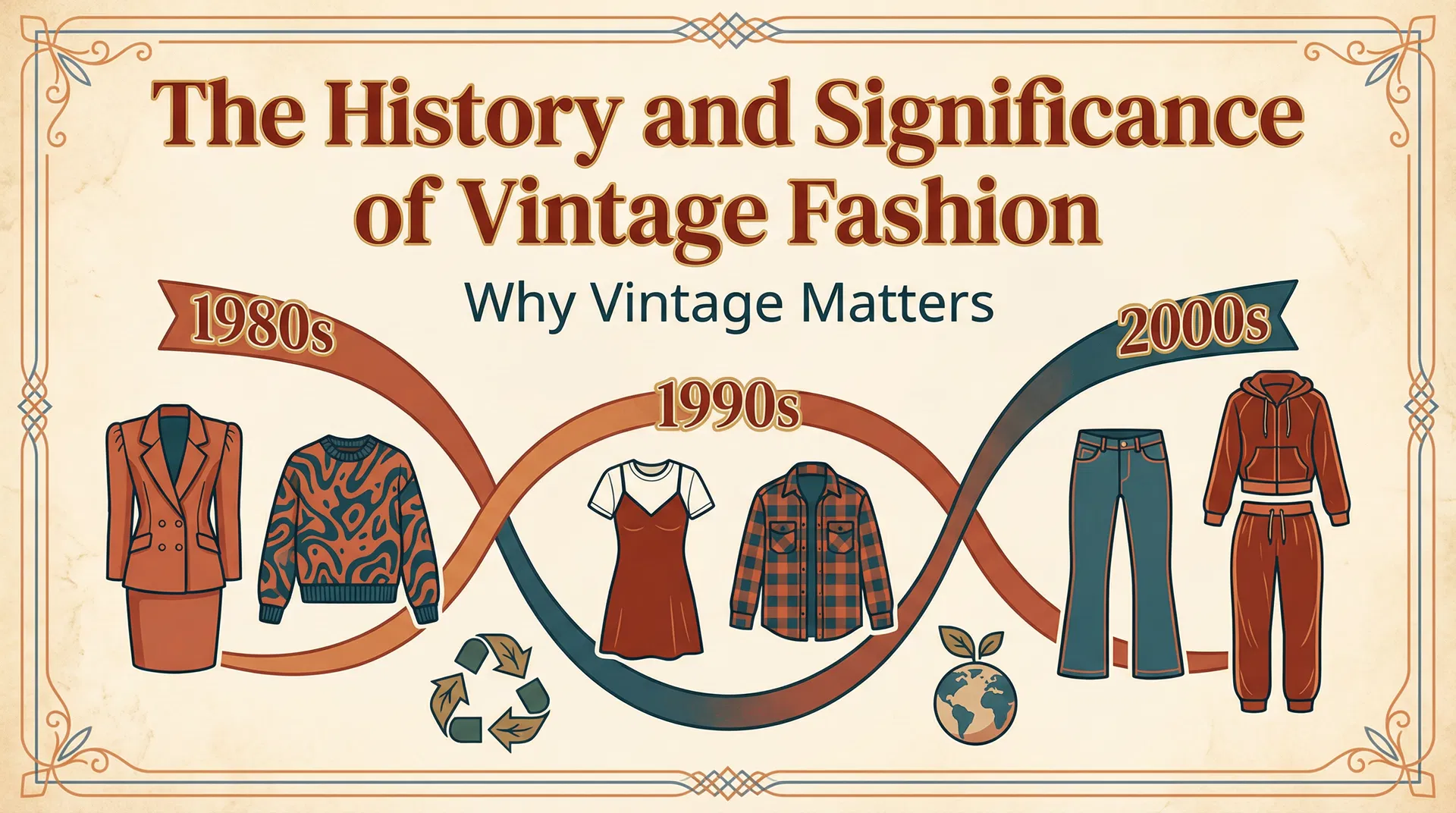
The term “vintage” typically refers to clothing and accessories from 20-40 years ago, though definitions vary. In the context of modern fashion, vintage usually encompasses pieces from the 1980s through the early 2000s—eras that have distinct aesthetic characteristics and cultural significance.
Vintage fashion is more than just old clothes. It represents:
- Historical Documentation: Each piece reflects the values, aesthetics, and technology of its era.
- Craftsmanship: Vintage items often showcase superior construction and attention to detail.
- Authenticity: These pieces were created before the age of fast fashion, with genuine artistic intent.
- Sustainability: Wearing vintage extends the life cycle of garments and reduces waste.
Key Insight: Vintage fashion is a bridge between past and present, connecting us to cultural moments and artistic movements through the clothes we wear.
2. The 1980s: Bold Maximalism
The 1980s were a decade of excess, optimism, and bold self-expression. Fashion reflected this energy with vibrant colors, oversized silhouettes, and statement pieces that demanded attention.
Defining Characteristics
- • Bright neon colors and bold patterns
- • Oversized blazers, shoulder pads, and silhouettes
- • Graphic prints and bold typography on t-shirts
- • Metallic fabrics and shiny materials
- • Statement jewelry and bold accessories
- • Leg warmers, athletic wear as fashion
Cultural Context
The 80s were characterized by economic prosperity, technological advancement, and cultural optimism. Fashion became a form of rebellion and self-expression, particularly among youth. Hip-hop culture, MTV, and celebrity influence shaped the decade’s aesthetic. The era celebrated individuality and the philosophy that “more is more.”
Why It Matters: 80s vintage represents a time of creative freedom and bold self-expression. These pieces remain iconic and instantly recognizable.
3. The 1990s: Minimalism and Rebellion
The 1990s marked a dramatic shift from 80s excess. As the decade progressed, fashion embraced minimalism, grunge, and anti-fashion aesthetics. This was a reaction to the materialism and excess of the previous decade.
Defining Characteristics
- • Slip dresses and minimalist silhouettes
- • Flannel shirts and grunge aesthetic
- • Neutral color palettes (black, gray, beige)
- • Oversized, androgynous fits
- • Vintage band t-shirts and thrift store finds
- • Combat boots and minimalist footwear
Cultural Context
The 90s saw the rise of grunge music, alternative culture, and a rejection of mainstream materialism. Fashion became a form of authenticity and anti-establishment expression. Thrift stores became fashion destinations, and wearing vintage or secondhand clothing was a statement about values, not just aesthetics. The decade celebrated understated cool and genuine self-expression over branded luxury.
Why It Matters: 90s vintage represents authenticity and rebellion. These pieces remain timeless and continue to influence contemporary fashion.
4. The Early 2000s: Digital Age Fashion
The early 2000s brought a playful, nostalgic approach to fashion. As technology accelerated and the internet became mainstream, fashion became more experimental and trend-driven. This era celebrated fun, femininity, and a mix of influences.
Defining Characteristics
- • Low-rise jeans and cargo pants
- • Baby tees and fitted silhouettes
- • Colorful, playful graphics and prints
- • Velour tracksuits and athleisure
- • Rhinestones, sequins, and embellishments
- • Trucker hats and accessories
Cultural Context
The early 2000s were characterized by optimism, celebrity culture, and rapid trend cycles. Reality TV, celebrity fashion, and the rise of fashion blogs influenced what people wore. Fashion became more accessible and trend-focused. Y2K fashion celebrated nostalgia for the 80s and 90s while creating something entirely new and playful.
Why It Matters: Early 2000s vintage represents a bridge between analog and digital culture, nostalgia and innovation. These pieces are increasingly popular among younger generations.
5. Sustainability and Environmental Impact
One of the most compelling reasons vintage fashion matters is its environmental impact. The fashion industry is one of the world’s largest polluters, and choosing vintage is a powerful way to reduce your environmental footprint.
Environmental Benefits of Vintage Fashion
- Reduced Waste: Wearing vintage extends the life cycle of garments, keeping them out of landfills.
- Lower Carbon Footprint: No new production means no new emissions from manufacturing and transportation.
- Water Conservation: Vintage fashion eliminates the massive water consumption required for new textile production.
- Chemical Reduction: No new dyes, pesticides, or chemicals are used in the production process.
- Sustainable Materials: Many vintage pieces are made from natural fibers like cotton, wool, and silk.
The Fast Fashion Problem
Fast fashion has created a disposable culture where clothes are worn once and discarded. The average person throws away 81 pounds of clothing per year. By choosing vintage, you’re actively resisting this cycle and making a statement about sustainable consumption.
The Impact: Buying one vintage piece instead of new can save approximately 2,700 liters of water and reduce carbon emissions by up to 25 kg.
6. Cultural and Social Significance
Vintage fashion is deeply connected to cultural movements, social change, and personal identity. Throughout history, clothing has been a form of resistance, expression, and community building.
Fashion as Cultural Documentation
Each era’s fashion tells the story of that time:
- Economic Status: Fashion reflects economic prosperity or hardship of an era.
- Social Movements: Clothing choices reflect social and political movements.
- Generational Identity: Each generation develops distinct fashion aesthetics.
- Subcultural Expression: Fashion marks membership in communities and subcultures.
Black-Owned Vintage Businesses
Vintage fashion has special significance in Black communities and culture. From hip-hop’s influence on 80s fashion to the thrift store culture of the 90s, Black communities have been at the forefront of vintage fashion trends. Supporting Black-owned vintage businesses like 1Up Retro Clothing is about more than fashion—it’s about economic empowerment and cultural celebration.
Cultural Importance: Vintage fashion preserves cultural history and celebrates the creativity and influence of marginalized communities.
7. Craftsmanship and Quality
One of the most noticeable differences between vintage and modern clothing is quality. Vintage pieces were often made with superior materials and construction techniques that modern fast fashion simply doesn’t replicate.
Why Vintage Quality Matters
- Better Materials: Natural fibers like cotton, wool, and silk were more common and higher quality.
- Superior Construction: More stitches per inch, reinforced seams, and attention to detail.
- Longevity: Vintage pieces that have survived 20-40 years prove their durability.
- Craftsmanship: Each piece reflects the skill and care of the maker.
- Value: Quality vintage pieces often appreciate in value over time.
The Cost of Fast Fashion
Modern fast fashion prioritizes speed and profit over quality. Seams unravel, fabrics pill, and colors fade quickly. A $20 fast fashion shirt worn a few times is worse value than a $50 vintage piece worn for years. Vintage fashion represents true value and investment in quality.
The Reality: A vintage piece that has survived decades is a testament to superior craftsmanship and materials.
8. Why Vintage Fashion Matters Today
In 2026, vintage fashion matters more than ever. As we face environmental challenges, cultural fragmentation, and the homogenization of fashion through fast fashion, vintage clothing offers something essential: authenticity, sustainability, and connection to history.
Reasons Vintage Fashion Matters
- Environmental Responsibility: Choosing vintage is a direct action against climate change and waste.
- Personal Authenticity: Vintage fashion allows you to express genuine style, not trends dictated by corporations.
- Cultural Preservation: Wearing vintage keeps cultural history alive and accessible.
- Economic Empowerment: Supporting vintage businesses, especially Black-owned ones, builds community wealth.
- Quality and Value: Vintage pieces offer better quality at comparable or lower prices.
- Uniqueness: Vintage fashion allows you to stand out and express individuality.
- Storytelling: Each piece has history and character that new clothing cannot replicate.
The Future of Fashion
As consumers become more conscious about environmental and social impact, vintage fashion is experiencing a renaissance. The next generation of fashion-conscious people understands that true style isn’t about owning the newest trends—it’s about wearing pieces that reflect your values, your personality, and your commitment to a sustainable future.
The Bottom Line: Vintage fashion is not just a trend—it’s a movement toward more sustainable, authentic, and meaningful consumption.
Embrace Vintage Fashion
Vintage fashion represents more than just clothing—it’s a connection to history, a statement about values, and a commitment to sustainability. Every time you choose a vintage piece, you’re making a conscious decision to support quality, authenticity, and environmental responsibility.
The beauty of vintage fashion is that it’s accessible to everyone. Whether you’re drawn to the bold energy of the 80s, the authentic cool of the 90s, or the playful nostalgia of the early 2000s, there’s a vintage piece waiting for you.
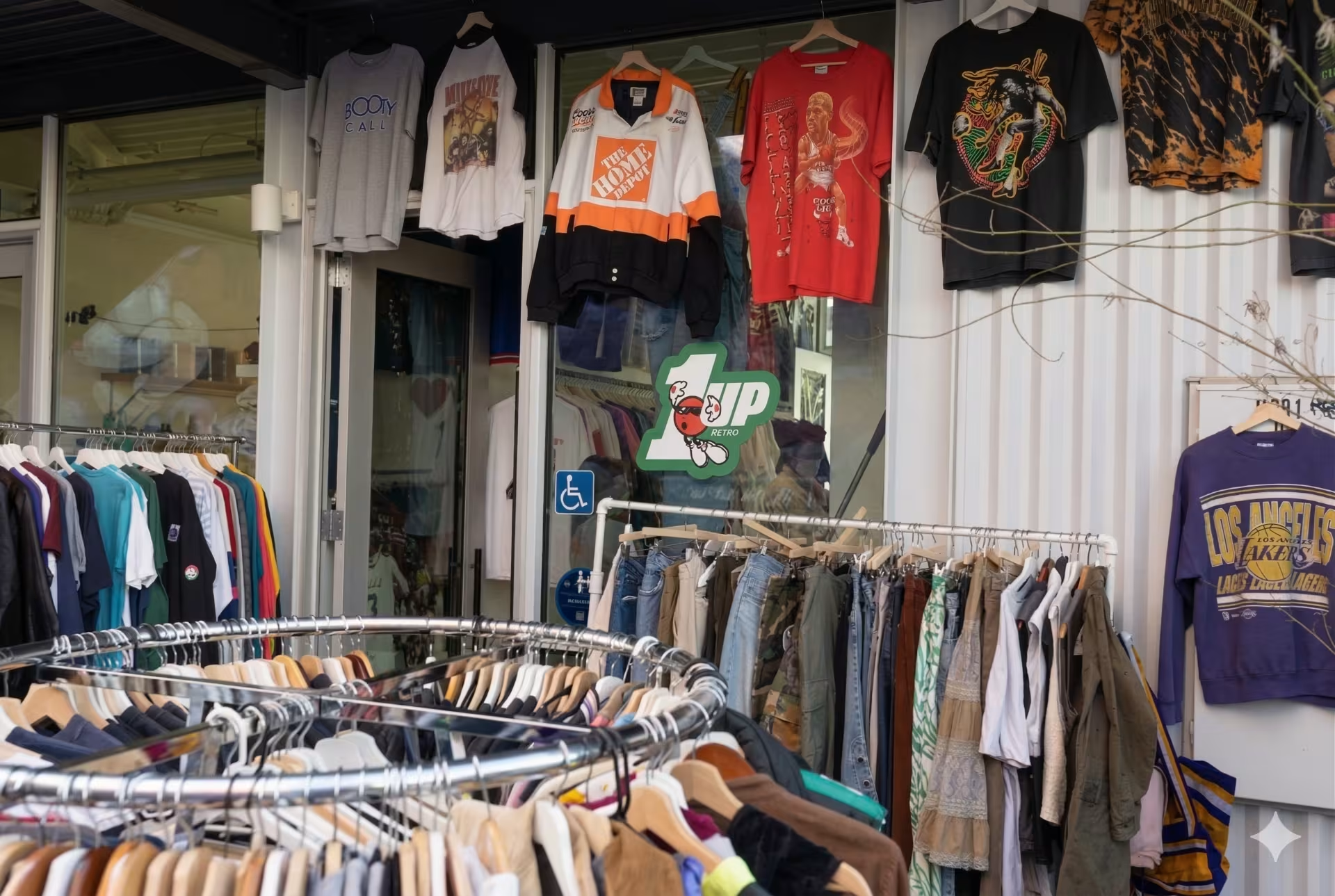
At 1Up Retro Clothing, we’re passionate about preserving vintage fashion and making it accessible to our community. We believe that fashion should tell a story, reflect your values, and celebrate your individuality.
Ready to embrace vintage fashion? Visit us in Sacramento or explore our online collection. Let’s celebrate the past, express ourselves authentically, and build a more sustainable future—one vintage piece at a time.