
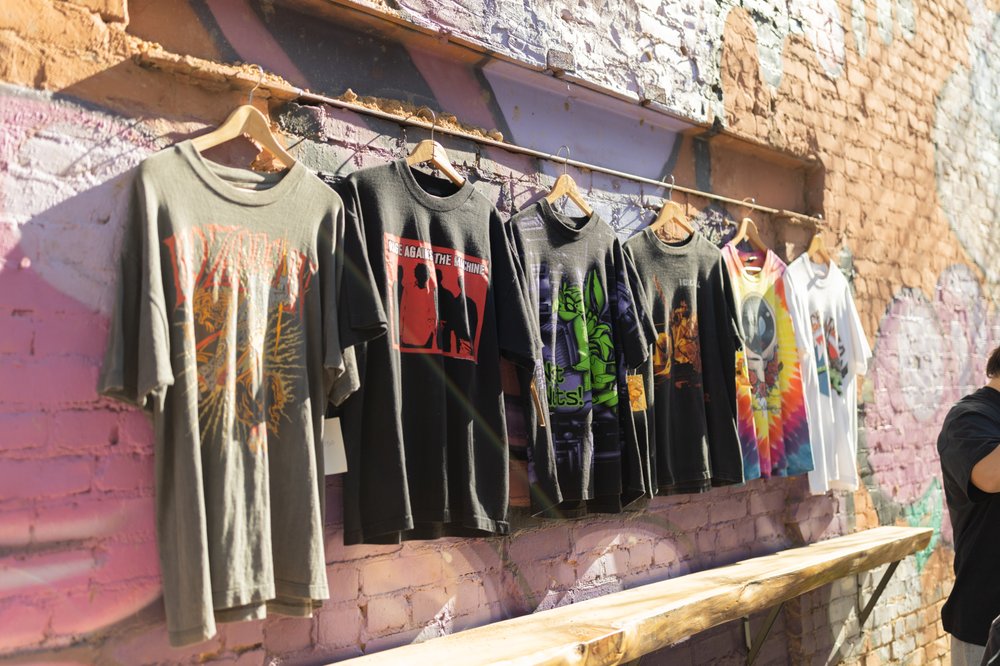
The fashion industry is in crisis. Every year, 92 million tons of textile waste end up in landfills. The average person throws away 81 pounds of clothing annually. Water pollution from textile production is the second largest industrial polluter globally. These statistics are staggering—but there’s a solution that’s been hiding in plain sight: vintage fashion.
Sustainable fashion isn’t just a trend; it’s a necessity. And vintage clothing represents one of the most powerful, accessible, and stylish ways to participate in the sustainable fashion movement. At 1Up Retro Clothing, we believe that every vintage purchase is a vote for a better future.
1. The Fast Fashion Crisis
Fast fashion has transformed the clothing industry into a disposable culture. Brands release new collections weekly, encouraging consumers to constantly buy and discard. This model prioritizes profit over people and planet.
The Numbers Behind Fast Fashion
- • 92 million tons of textile waste generated annually
- • 81 pounds of clothing discarded per person per year
- • 10% of global carbon emissions from fashion industry
- • 2,700 liters of water needed to produce one cotton t-shirt
- • $500 billion worth of clothing discarded annually
The Hidden Costs
Beyond environmental impact, fast fashion has significant social costs:
- • Labor exploitation: Workers in garment factories often face poor conditions and unfair wages
- • Chemical pollution: Textile production uses toxic dyes and chemicals that poison water sources
- • Resource depletion: Unsustainable farming practices for cotton and other materials
- • Landfill overflow: Clothing takes decades to decompose, creating massive waste
The Reality: Every piece of fast fashion purchased contributes to environmental degradation and human exploitation.
2. Environmental Impact of Vintage vs. New
The environmental difference between buying vintage and buying new is staggering. When you choose vintage, you’re making a measurable positive impact.
One Vintage Piece vs. One New Piece
Environmental Savings from Buying Vintage:
- ✓ 2,700 liters of water saved
- ✓ 25 kg of CO2 emissions prevented
- ✓ 0.3 kg of chemical pollutants avoided
- ✓ 1 piece kept out of landfill
- ✓ Decades of wear already proven
The Lifecycle Comparison
New Clothing Lifecycle:
- 1. Raw material extraction (water, pesticides, fertilizers)
- 2. Manufacturing (energy, chemicals, emissions)
- 3. Transportation (carbon emissions)
- 4. Retail (packaging, storage)
- 5. Consumer use (washing, care)
- 6. Disposal (landfill or incineration)
Vintage Clothing Lifecycle:
- 1. Already produced (environmental cost already paid)
- 2. Minimal transportation (local or regional)
- 3. Consumer use (washing, care)
- 4. Extended lifespan (proven durability)
- 5. Potential for resale or donation
The Advantage: Vintage fashion skips the most environmentally damaging stages of production.
3. Water, Chemicals, and Waste
The textile industry’s relationship with water and chemicals is deeply problematic. Understanding these issues highlights why vintage fashion is so important.
Water Crisis in Textile Production
Cotton production alone uses 16% of the world’s insecticides despite occupying only 2.5% of cultivated land. Textile dyeing is the second largest polluter of water globally.
- 2,700 liters of water for one cotton t-shirt
- 200 tons of water polluted per ton of fabric dyed
- 10,000 liters of water for one pair of jeans
- Entire rivers in Bangladesh and India are dyed black from textile waste
Chemical Pollution
Textile production uses over 8,000 chemicals, many of which are toxic and persistent in the environment.
- Heavy metals: Lead, cadmium, and mercury contaminate water sources
- Pesticides: Cotton farming uses 16% of global insecticides
- Microplastics: Synthetic fabrics shed microplastics in washing
- Azo dyes: Can break down into carcinogenic compounds
The Vintage Solution
By choosing vintage, you eliminate the need for new production and all its associated water consumption and chemical pollution. This is one of the most direct ways to reduce your environmental impact.
The Impact: Choosing vintage over new prevents toxic chemicals from entering our water systems and saves thousands of liters of water.
4. Reducing Your Carbon Footprint
Climate change is the defining challenge of our time. Fashion contributes 10% of global carbon emissions. Choosing vintage is a tangible way to reduce your personal carbon footprint.
Where Carbon Emissions Come From
- Raw material production: 35% of fashion’s carbon emissions
- Manufacturing: 30% of emissions
- Transportation: 20% of emissions
- Consumer use (washing): 10% of emissions
- End-of-life disposal: 5% of emissions
How Vintage Reduces Carbon
When you buy vintage, you skip the most carbon-intensive stages:
- • No raw material extraction: Saves 35% of typical emissions
- • No manufacturing: Saves 30% of typical emissions
- • Minimal transportation: Saves 15-20% of typical emissions
- • Extended lifespan: Amortizes remaining emissions over longer use
The Math
One vintage piece worn for 10 years has a carbon footprint of approximately 2.5 kg CO2. One new piece worn for 1 year has a carbon footprint of approximately 25 kg CO2. By choosing vintage, you reduce carbon by 90%.
The Difference: Building a wardrobe of 50 vintage pieces instead of new pieces saves approximately 1,125 kg of CO2—equivalent to driving a car 2,800 miles.
5. Ethical Shopping and Fair Practices
Sustainability isn’t just about the environment—it’s also about people. Vintage fashion offers an ethical alternative to the exploitative practices of fast fashion.
The Human Cost of Fast Fashion
- Garment workers: Often earn less than $3 per day
- Working conditions: Unsafe factories, long hours, no benefits
- Child labor: Estimated 250 million children work in the fashion industry
- Gender inequality: 80% of garment workers are women facing discrimination
Why Vintage Is Ethical
- No new exploitation: Vintage pieces are already made; no new workers are harmed
- Support local businesses: Vintage shops are often independently owned
- Fair wages: Vintage business owners typically pay fair wages
- Community investment: Money spent at vintage shops stays in the community
Supporting Black-Owned Vintage Businesses
Choosing to shop at Black-owned vintage businesses like 1Up Retro Clothing is a powerful way to support economic empowerment and celebrate cultural contributions to fashion. Black communities have been at the forefront of vintage fashion culture, and supporting these businesses is both ethical and culturally important.
The Choice: When you shop vintage, especially at Black-owned businesses, you’re making an ethical choice that supports fair practices and community empowerment.
6. The Circular Economy
The fashion industry operates on a linear model: extract, produce, consume, discard. Vintage fashion is part of a circular economy where items are reused, resold, and given new life.
Understanding the Circular Economy
In a circular economy, products are designed to be used for as long as possible. When they’re no longer needed, they’re repurposed or recycled. This contrasts sharply with the linear “take-make-waste” model of fast fashion.
How Vintage Supports Circularity
- Extended lifespan: Vintage pieces get multiple lives through different owners
- Reduced waste: Items are kept out of landfills
- Resource efficiency: No new resources are extracted or processed
- Economic value: Vintage items retain value and can be resold
- Buy, sell, trade: Services like those offered at 1Up Retro Clothing create circular systems
The Buy-Sell-Trade Model
Vintage businesses that offer buy, sell, and trade services create a true circular economy. Customers can:
- • Buy quality vintage pieces
- • Sell items they no longer wear
- • Trade pieces for new-to-them items
This model ensures that clothing continuously circulates rather than ending up in landfills.
The System: Circular economy models in vintage fashion create sustainable systems where nothing is wasted and everything has value.
7. Building a Sustainable Wardrobe
Building a sustainable wardrobe doesn’t mean sacrificing style. In fact, vintage fashion offers more authentic, unique, and interesting style options than fast fashion.
Principles of Sustainable Wardrobe Building
- Quality over quantity: Choose fewer, better pieces that last
- Timelessness over trends: Invest in pieces that won’t go out of style
- Versatility: Choose pieces that work with multiple outfits
- Natural materials: Prioritize cotton, wool, silk, and linen
- Intentional shopping: Buy only what you’ll actually wear
Vintage Fashion Advantages
- Better quality: Vintage pieces often have superior construction
- Unique style: Stand out with one-of-a-kind pieces
- Lower cost: Quality pieces at fraction of retail price
- Proven durability: Pieces that have lasted 20-40 years will last longer
- Natural materials: Older pieces often use more natural fibers
The Strategy: A sustainable wardrobe built from vintage pieces is more stylish, affordable, and environmentally responsible than one built from fast fashion.
8. Actionable Steps to Get Started
Ready to embrace sustainable fashion through vintage? Here are practical steps to get started.
Step 1: Assess Your Current Wardrobe
- • Identify pieces you actually wear
- • Notice gaps in your wardrobe
- • Consider your personal style
- • Set a budget for vintage shopping
Step 2: Learn About Eras and Styles
- • Explore 80s, 90s, and early 2000s fashion
- • Find eras that resonate with you
- • Understand quality markers and construction
- • Learn about sizing differences
Step 3: Start Shopping Vintage
- • Visit local vintage shops (like 1Up Retro Clothing!)
- • Explore online vintage retailers
- • Check thrift stores for hidden gems
- • Attend vintage fairs and pop-ups
Step 4: Care for Your Pieces
- • Learn proper care for delicate fabrics
- • Wash less frequently, air dry when possible
- • Store properly to prevent damage
- • Make minor repairs to extend lifespan
Step 5: Participate in Circular Economy
- • Sell pieces you no longer wear
- • Trade items with friends or at vintage shops
- • Donate unwanted clothing responsibly
- • Support buy-sell-trade services
Start Small: You don’t need to overhaul your wardrobe overnight. Start with one vintage piece and build from there.
Make a Difference Through Fashion
Sustainable fashion isn’t a luxury—it’s a necessity. Every purchase is a vote for the kind of world we want to live in. By choosing vintage, you’re making a powerful statement about your values and your commitment to a sustainable future.
The impact of your choices is real and measurable. One vintage piece saves 2,700 liters of water, prevents 25 kg of CO2 emissions, and keeps clothing out of landfills. Multiply that by a wardrobe of 50 pieces, and you’ve made a significant environmental impact.
Beyond the environmental impact, vintage fashion offers something fast fashion never can: authenticity, quality, and the satisfaction of knowing you’re making ethical choices. You’re supporting local businesses, celebrating cultural history, and building a wardrobe that reflects your genuine style.
The future of fashion is sustainable, circular, and vintage. Join us at 1Up Retro Clothing in Sacramento as we celebrate sustainable fashion and build a more conscious community, one vintage piece at a time.


